
Ever wonder if your TV could show colors so vivid they almost pop? QLED TVs use tiny crystals called quantum dots (small particles that boost light quality) to brighten the picture and deliver lively hues even in a sunlit room. Instead of lighting each pixel on its own like OLED screens, they rely on an LED backlight paired with a special filter to add extra color punch and detail. In this article, we break down what QLED TVs are and explain how their design creates a unique viewing experience.
4 what are qled tvs: Pure Visual Brilliance
QLED means "Quantum Dot Light-emitting Diode." These TVs use tiny semiconductor particles called quantum dots to create precise, vibrant colors when lit by a backlight. Unlike OLED TVs that generate light from each pixel using organic compounds, QLED sets rely on a standard LED backlight paired with a special filter to enhance the image.
This design gives QLED TVs a strong edge in brightness and color range. They aren’t self-lighting, so the light source is separate from the pixels. As a result, they can produce deep hues and bright highlights even in rooms with lots of natural light.
Most QLED TVs come with Ultra HD (4K or higher) resolution, which means every picture is sharp and full of detail. The high peak brightness and rich color volume make them stand out in bright settings. For instance, in a sunlit living room, a QLED TV can deliver a much more engaging viewing experience than a regular LED display.
Quantum Dot Display Innovations in QLED TVs
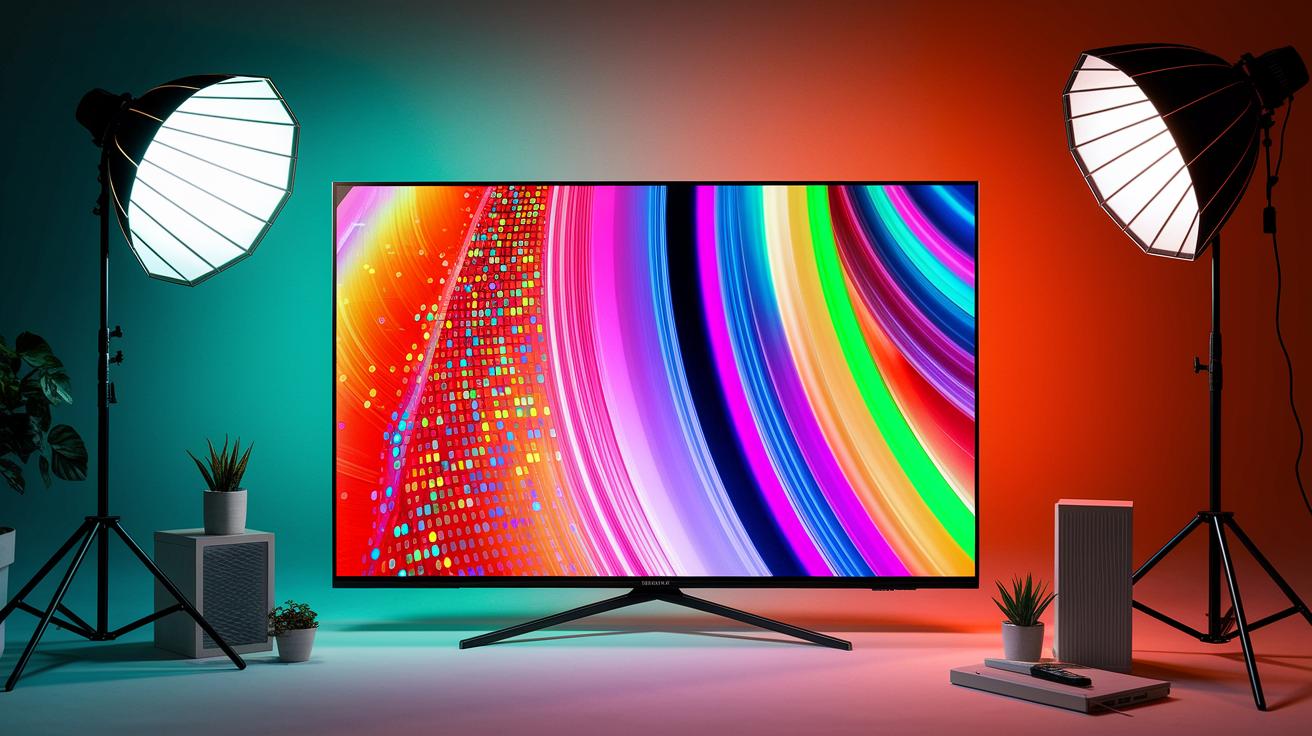
Quantum dots are tiny nanocrystals that light up with a narrow band of color when hit by the LED backlight. They are made to a very precise size, so each dot produces the exact wavelength needed. This clever design leads to accurate colors and better brightness, offering a picture with lively hues and clear detail.
Inside QLED TVs, a special quantum-dot layer sits between the LED backlight and the LCD panel. The LED produces white light, which passes through this layer where the particles transform it into specific colors. This step boosts both the range of colors and overall brightness, ensuring the display works well even in bright rooms. It also evenly spreads the light, giving you a consistent picture across the entire screen.
Newer QLED models now use Mini-LED backlighting (small LED lights that offer precise brightness control). This innovation allows for finer local dimming, which improves contrast and reduces issues like blooming around bright objects. By combining Mini-LEDs with quantum-dot technology, the TV delivers sharper contrast and an even light distribution. These improvements expand the color range and maintain image quality in various lighting conditions, making QLED TVs a strong pick for those who need vivid colors and dependable performance.
Advanced QLED Screen Benefits: Brightness, Color, and HDR
Today's QLED TVs deliver a vibrant viewing experience you can really feel. We measured peak brightness above 1,000 nits, meaning they shine even in a room full of natural light. Thanks to quantum dots (tiny particles that enhance color), these TVs cover nearly 100% of the DCI-P3 color space for rich, accurate hues.
They support HDR standards like HDR10, HDR10+ and Dolby Vision, which provide strong contrast between bright highlights and deep shadows. Refresh rates of 120 Hz or more ensure smooth motion for fast-paced sports and gaming, while improved energy efficiency keeps power use lower than traditional LED models.
• Peak brightness over 1,000 nits for clear images in bright rooms
• Wide color gamut with accurate color volume
• HDR support (HDR10, HDR10+, Dolby Vision)
• Refresh rates of 120 Hz+ for smooth motion
• Lower power consumption compared to older LED TVs
• Durable panel lifespan
All these features come together to create a viewing experience that's both comfortable and clear. Whether you're watching sports, gaming, or enjoying a movie, QLED technology keeps images sharp and vibrant even in challenging light. The enhanced brightness and broad color range make sure every detail stands out, while balanced HDR performance ensures solid contrast. With fast refresh rates and efficient power use, these TVs are a practical pick for everyday entertainment.
QLED vs OLED: Key Differences and Performance Comparison
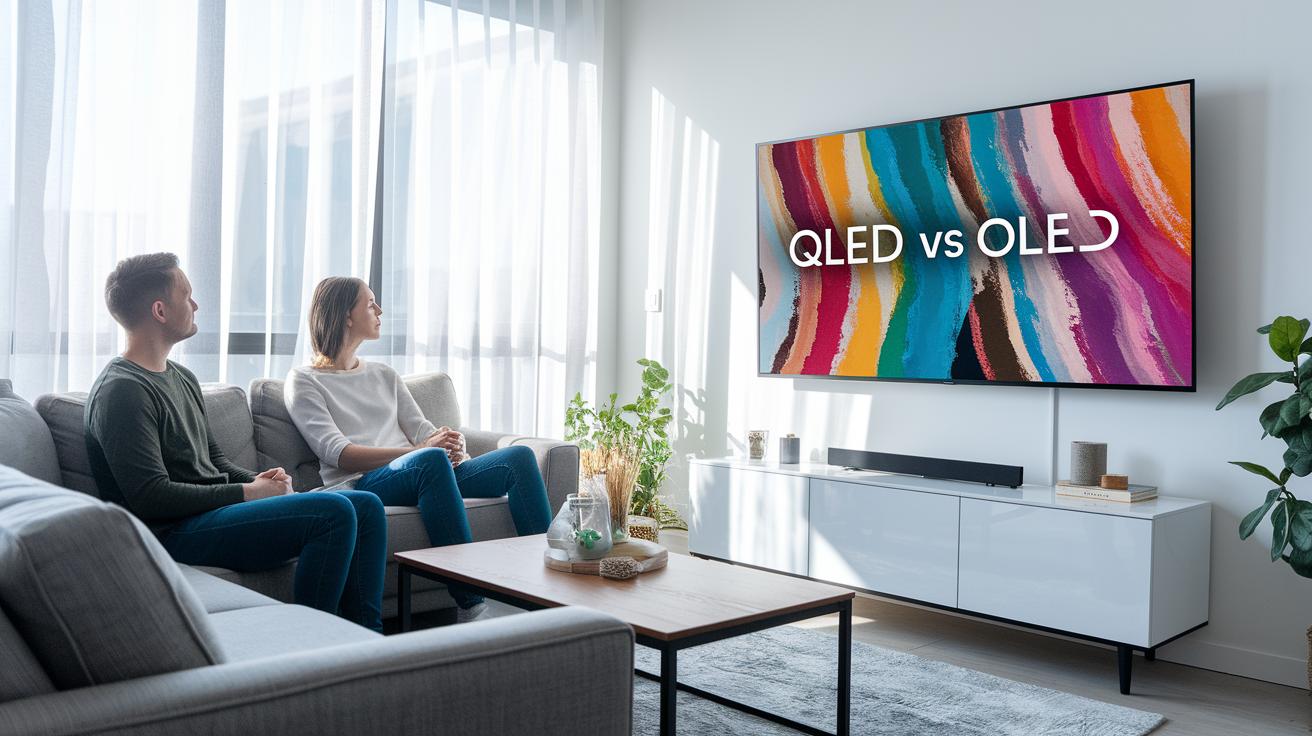
Below we compare how QLED and OLED TVs perform in everyday settings. We break down the key differences to help you decide which might be better for your viewing needs. For a deeper dive into the technical details, check out the oled vs qled tvs article.
| Metric | QLED | OLED | Winner | Notes |
|---|---|---|---|---|
| Brightness | Often >1,000 nits | Generally lower | QLED | Works great in bright rooms |
| Contrast & Blacks | Impacted by backlight bleed | True blacks and infinite contrast | OLED | Best for dark scenes |
| Viewing Angles | Narrower picture uniformity | Wider and more consistent | OLED | Better for off-center viewing |
| Price | Generally more affordable | Higher cost | QLED | Offers better value at similar sizes |
| Response Time | Fast refresh at 120 Hz+ | Slightly faster pixel response | OLED | Great for quick motion scenes |
Clarifications on QLED TV Misconceptions
We've now moved the discussion on QLED deep blacks, pricing, viewing angles, and panel lifespan into the QLED versus OLED sections. You'll find dedicated callout boxes there that explain these details. For a quick overview, see below:
| Aspect | Clarification |
|---|---|
| Black Levels | QLED uses a backlight, so even its “deep blacks” can sometimes show slight light bleed. In contrast, OLED pixels can be completely turned off. |
| Pricing | Many QLED TVs come with a lower price tag than similar OLED models, offering a budget-friendly option without sacrificing resolution. |
| Viewing Angles | QLED panels offer decent viewing angles, though off-center viewing might slightly impact picture quality. OLED displays generally maintain consistent quality from wider angles. |
| Lifespan | QLED panels are built to withstand over 20,000 hours of use, reflecting their robust durability over time. |
Buying Guide for QLED TVs: Tips and Key Factors
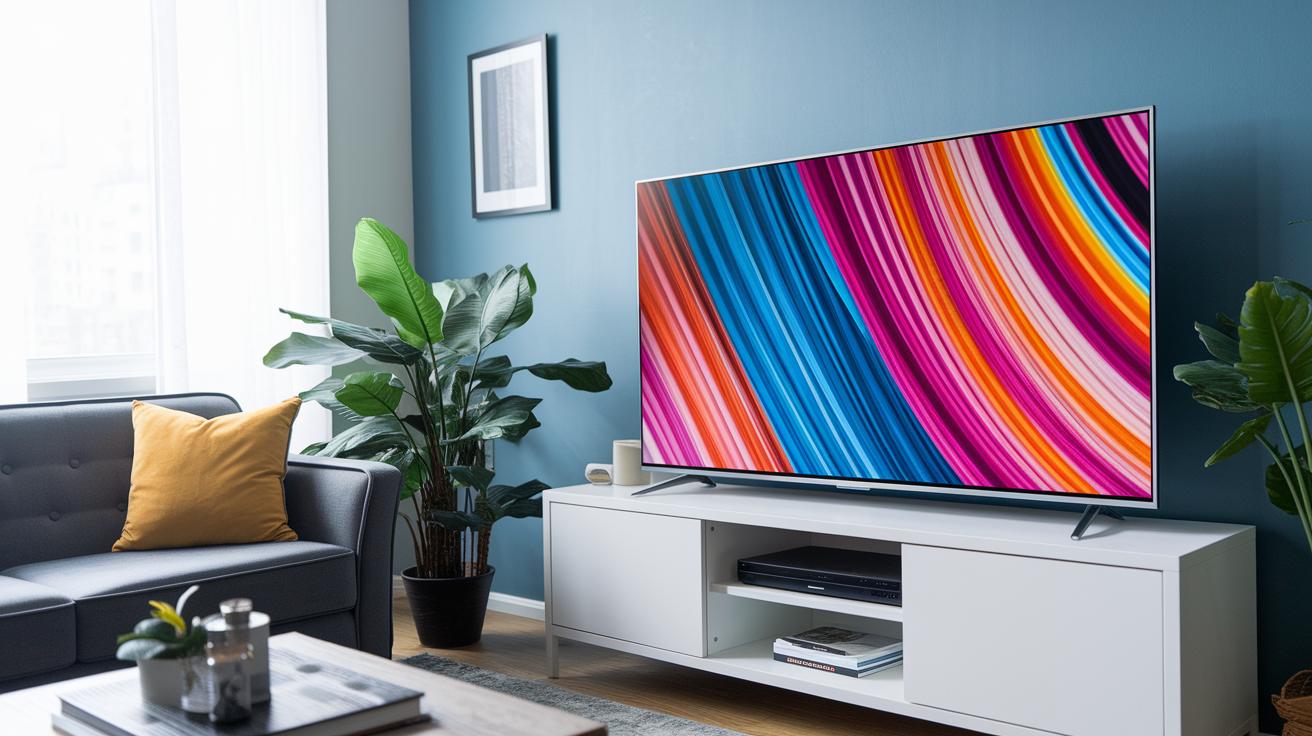
When shopping for a QLED TV, compare its performance features to your budget. Entry-level models usually cost under $700 and deliver a solid 4K picture with basic HDR support. They offer standard refresh rates and backlighting that gets the job done. On the other hand, flagship models priced above $2,000 boast advanced features like higher peak brightness, improved local dimming (small LED zones that brighten or darken different parts of the screen), and better color accuracy. These TVs are aimed at gamers and home theater enthusiasts who demand top performance.
It is also important to look at the smart platform and connectivity options. Many QLED TVs come with built-in apps, voice controls, and user-friendly interfaces that make streaming and adjusting settings easy. If gaming is a priority, choose a model with HDMI 2.1 ports; these help reduce input lag (the delay between pressing a button and the action on screen) and support higher frame rates. Also check the warranty and software update policies to see how well the manufacturer supports the product over time.
Match the TV to your room size and usage needs. Most QLED screens range from 55″ to 85″, so select a size that fits your space. Budget options work well in smaller living rooms, while larger, feature-packed models are better for home theaters or gaming setups. Real-world reviews and in-store testing can help you decide if the TV meets your viewing preferences.
Key factors to consider:
- Resolution (4K or higher)
- Screen size (typically 55″ to 85″)
- HDR support and refresh rates of 120 Hz or more
- Smart platform usability and HDMI 2.1 connectivity
- Warranty and software update policy
Who Should Choose QLED TVs: Use Cases and Audience
QLED TVs work great in bright rooms. Their high peak brightness gives you clear and vivid pictures even when the lights are on. With a 120 Hz refresh rate, motion looks smooth, which is perfect for sports fans and casual gamers who need responsive action. If you want a bright, colorful screen without spending a fortune, QLED is a smart choice.
These TVs are ideal for anyone who enjoys watching live sports or playing games in well-lit spaces. They deliver sharp images and steady performance, making them a reliable option in many home settings.
- Bright-room viewers
- Gamers
- Sports enthusiasts
- Budget-focused shoppers
Final Words
In the action, we covered QLED TV technology, comparing their quantum-dot enhancements, brightness, and color benefits with other display types. Our breakdown tackled myths, buyer tips, and even who gains most from these sets.
We explored what are qled tvs through clear data and hands-on testing. Each section aimed to guide you toward smarter, confident purchases. Enjoy the vivid viewing experience and set up your TV for maximum performance.
