
Ever wonder how a TV can make colors come alive right before your eyes? OLED TVs work by lighting each pixel individually, much like hundreds of tiny light bulbs turning on and off in perfect sync. In this article, we break down the technology in six layers that lets organic compounds glow when powered by electricity. This self-emissive process delivers true blacks and vivid colors that make every scene pop. Get ready to dive into how these displays work their magic.
How OLED TVs Generate Their Own Light: Pure Visual Joy
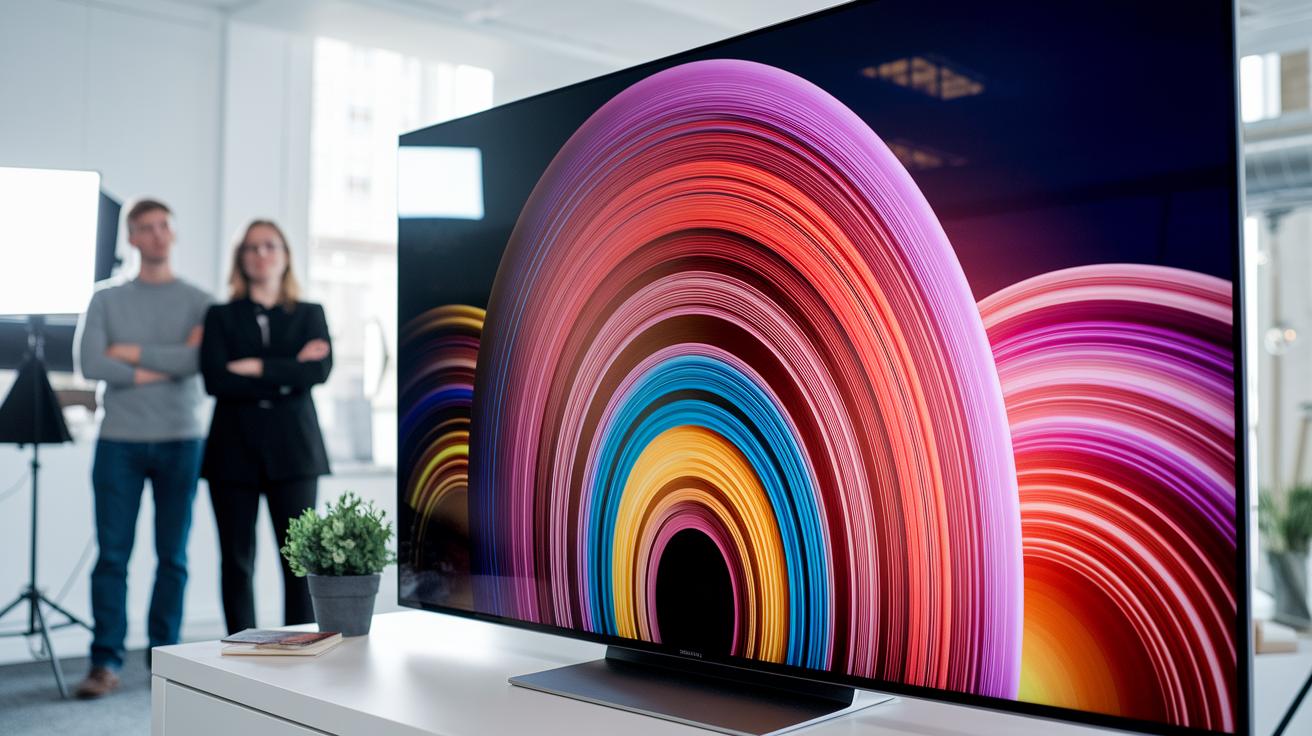
Every pixel in an OLED TV lights itself up. Unlike traditional LCD screens that rely on a backlight, OLEDs use self-emissive pixels. This means each pixel produces its own light when needed and can completely power down to create deep blacks. Think of it like having a tiny light bulb in every pixel that knows exactly when to glow or go dark, resulting in a vivid contrast that brings scenes to life.
The inner workings of an OLED panel involve a six-layer structure. These layers include a seal, a substrate (made of glass or plastic), a cathode, an emissive layer, a conductive layer, and an anode. The magic happens in the emissive layer, where unique organic compounds glow when they receive an electrical charge. This glow is what gives you the bright, lively colors and real-life details that make OLED TVs stand out.
Electric current flows from the cathode to the anode through the panel. As electrons travel, they meet with holes in the emissive layer. When these moving charges combine, they trigger the organic compounds to light up, producing the colors you see on screen. This direct emission process means that every hue and level of brightness is controlled right at the source, offering a display that is both dynamic and true to life.
OLED TV Panel Architecture and Key Components

The base of an OLED panel is built on a layer of glass or plastic. This layer, called the substrate, supports every other part and keeps the panel strong.
On two sides of the organic layers are the anode and cathode. The anode sends in positive charges (holes) while the cathode supplies electrons. When these charges meet in the nearby emissive layer, they light up the organic compounds.
The emissive layer, positioned next to the cathode, is where electrons and holes combine to produce light. A conductive layer guides the charges to each pixel so that the brightness and color are just right. Thin-film transistors (tiny switches) work with this setup to turn pixels on and off and adjust brightness, ensuring smooth images even in fast-moving scenes.
OLED displays are made using two main methods. One type uses small-molecule OLEDs deposited on rigid glass, providing a sturdy and traditional feel. The other type uses polymer-based OLEDs printed on flexible plastic, which allows for thinner and more versatile designs. Each method has its own benefits regarding durability and flexibility while still delivering the rich picture quality OLED is known for.
How OLED TVs Compare to LED/LCD Displays
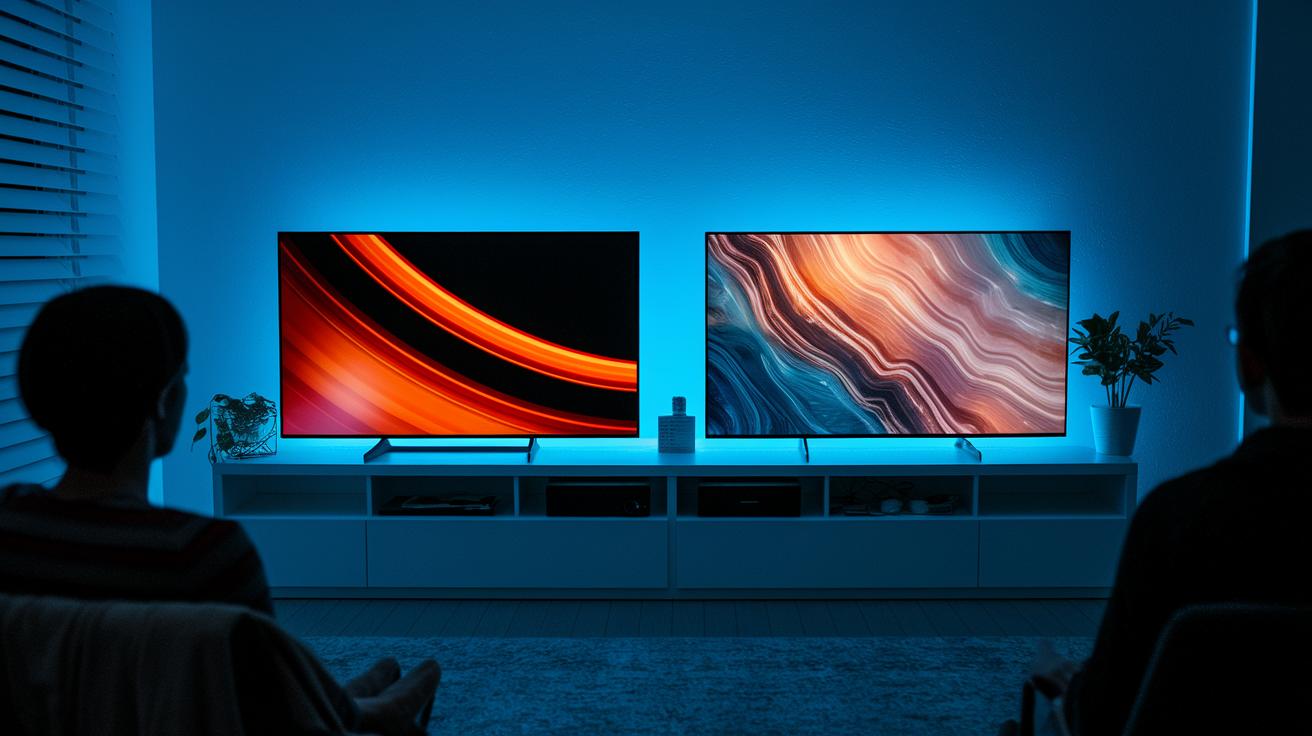
OLED TVs and LED/LCD displays work on completely different ideas. LCD screens need a constant backlight (a steady source of light behind the image) along with a filter to show pictures, so they depend greatly on that backlight’s brightness. In contrast, OLED panels have pixels that light up on their own and can turn off completely, giving you deep blacks and almost endless contrast. This basic difference produces a very unique viewing experience.
Another important point is that OLEDs do not suffer from light bleed (unexpected light leakage) like many LCDs do. LED/LCD screens often struggle with backlight issues that hurt their contrast, but OLEDs control each pixel individually. This means colors remain vibrant no matter where you sit.
| Display Technology | Backlight Required | Contrast Capability |
|---|---|---|
| OLED | No | Infinite (true blacks) |
| LCD | Yes | Up to 10,000:1 |
For viewers, these differences mean richer storytelling and a more immersive experience. OLEDs show each scene with exceptional detail and lively contrast. Whether it’s a dark movie scene or a brightly lit animation, images look crisp and vibrant. This makes watching on an OLED feel more engaging compared to the often flat, washed-out pictures on traditional LCD displays.
OLED TV Benefits: Contrast, Color, and Performance
OLED TVs deliver contrast that makes everyday viewing pop. They produce deep blacks, which ease eye strain during long sessions and boost the immersive feel in dark rooms by revealing details in shadowed scenes. This smart contrast control also helps keep power use low, extending the TV's life.
These sets show color accurately from any angle. With fast pixel response (the speed at which a pixel changes color), motion in sports and action movies is smooth and clear. In real-world use, this means a pleasing picture and energy savings over time.
- True black levels for vivid high dynamic range scenes
- Accurate color reproduction from each pixel
- Consistent image quality even at off-angles
- Rapid pixel response for fluid motion
- Ultra-thin panels for a sleek design
Together, these features offer improved viewing satisfaction in various lighting conditions while maintaining efficiency and long-term durability.
Energy Efficiency and Durability in OLED TVs
OLED TVs light up each pixel on its own instead of using a constant backlight. This means power is used only when a pixel is active, making these TVs more efficient compared to backlit LCDs at similar brightness levels. Since the panels are thinner and lighter, they need fewer materials to produce, which helps reduce both energy use and the overall impact on the environment during manufacturing.
To make OLED panels last longer, manufacturers work to prevent issues like image retention (when a picture stays on the screen) and burn-in. They use small shifts in the displayed image, along with screen savers and specific usage recommendations, to even out wear on the pixels. Newer materials and techniques, like self-healing pixel layers, also help keep the display looking fresh and free of ghost images over time.
Keeping the TV cool is important for its durability. Designers create layouts that spread heat evenly across the screen, preventing hot spots that could harm the organic materials inside. By staying at the right temperature during long viewing sessions, these TVs maintain their performance and continue to deliver a reliable viewing experience.
Final Words
In the action, we explored how OLED TVs work by generating light at each pixel through organic molecules. We broke down the six-layer panel design, showing how components work together to create deep blacks and vibrant colors. You learned the difference between OLED and LED/LCD displays and saw how benefits like fast response and energy efficiency make a real impact on performance. We even covered tips on setup and calibration. Understanding how do oled tvs work gives you solid confidence to choose the right display that fits your needs. Enjoy your viewing experience!
FAQ
How do oled tvs work reddit
The explanation of OLED TVs on Reddit highlights that they use self-emissive pixels. Each pixel emits its own light from organic compounds that glow when electrons recombine with holes.
Advantages of OLED
The advantages of OLED include perfect blacks from pixels that turn off completely, wide viewing angles with minimal color shift, fast response times, and the benefit of a thinner, sleeker design.
How does QLED work
The description of QLED explains that these displays use quantum dots combined with LED backlighting. The quantum dots emit colored light when stimulated by the backlight, offering bright images.
What is the organic material in OLED
The organic material in OLED refers to light-emitting compounds found in the emissive layer. These organic molecules glow when excited by electrical charges moving through the panel.
How does OLED burn-in happen
The process of OLED burn-in occurs when static images are displayed for extended periods. This causes certain pixels to degrade unevenly, resulting in a visible ghost image over time.
OLED vs LED
The comparison between OLED and LED shows that OLED offers self-emissive pixels for true blacks and quick response times, while LED relies on a backlight that can cause light bleed and reduced contrast.
Who made the first OLED TV
The pioneering development of the first OLED TV involved major electronics companies collaborating on early prototypes. These innovations paved the way for commercial OLED displays in the early 2010s.
OLED Display
An OLED display is defined by its use of organic materials that emit light when electrically activated. This design enables outstanding contrast, vibrant colors, and energy-efficient performance without a backlight.
What are the disadvantages of OLED TV?
The disadvantages of OLED TVs include the risk of burn-in from prolonged static images and the generally higher price point compared to traditional LED TVs, which can affect long-term usage.
Is OLED really better than QLED?
The evaluation of OLED versus QLED indicates that OLED excels with superior contrast and deep blacks, while QLED often delivers brighter images and eliminates burn-in concerns, making each technology appealing for different uses.
What is the lifespan of an OLED TV?
The lifespan of an OLED TV is typically estimated at around 30,000 to 100,000 hours, with proper usage and settings helping to maintain performance and extend the display’s useful life.
What is so special about OLED TVs?
OLED TVs are special because they use self-emissive pixels that generate their own light, resulting in infinite contrast ratios, highly accurate color reproduction, and a slim design ideal for modern living spaces.
